
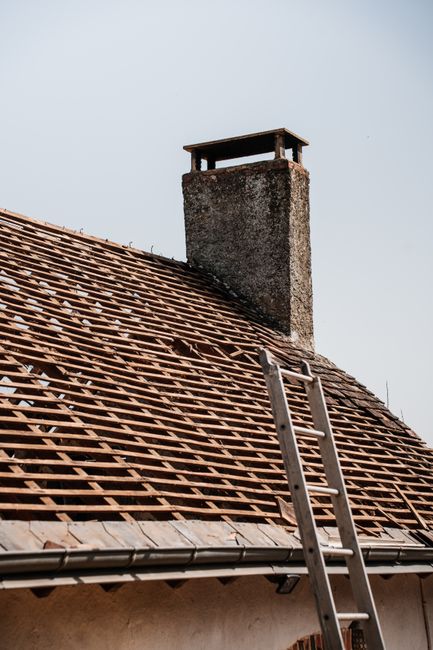
A roof can look new from the ground and still have installation problems that shorten its life or allow water into the building. In Marcy, NY, seasonal snow, ice, wind, rain, and repeated freeze-thaw cycles can expose workmanship issues sooner than mild weather would.
Poor installation does not always produce an immediate leak. Some defects appear first as uneven roof surfaces, loose materials, poor attic ventilation, or drainage problems. Recognizing these signs early can help property owners document concerns and address small issues before they become structural damage.
What are the most common signs of poor roof installation?
The clearest warning signs include crooked shingle lines, exposed fasteners, loose flashing, missing roof-edge components, visible gaps, and water stains inside the building. A single flaw may be minor, but several problems together often indicate that the roof was not installed according to proper procedures.
From the ground or attic, look for:
- Shingles that appear wavy, buckled, lifted, or uneven
- Straight lines that suddenly angle, dip, or change spacing
- Shingle edges that do not align consistently
- Exposed nail heads or fasteners in areas that should be covered
- Flashing that is loose, bent, rusted, or separated from a wall
- Metal drip edges that are missing or pulled away from the roof edge
- Gaps around vents, chimneys, skylights, or other roof penetrations
- Water stains, damp insulation, or musty odors in the attic
- Granules collecting heavily in gutters soon after installation
- Sections of the roof that appear to sag or hold water
These conditions do not all prove a single installation error. Age, storm damage, animal activity, and later repairs can create similar symptoms. The pattern and location of the defects matter.
Why do uneven or buckled shingles matter?
Shingles should form consistent courses across the roof. Uneven spacing, visible waves, or buckling may indicate poor alignment, improper fastening, inadequate ventilation, moisture trapped beneath the roofing materials, or installation over an unsuitable surface.
A few shingles can become distorted after severe weather, but widespread irregularity on a relatively new roof deserves attention. Buckled shingles are more vulnerable to wind uplift and can crack as temperatures change. In a climate with cold winters and summer heat, repeated expansion and contraction may make the problem progress faster.
Shingles also need the correct number and placement of fasteners. Nails driven too high, too low, too shallow, or too deeply can reduce holding strength. Overdriven fasteners may cut into the shingle, while underdriven nails can leave the material loose.
What does exposed roofing hardware indicate?
Visible nails are a common sign of incomplete sealing or incorrect installation. Fasteners are generally intended to be covered by the next shingle course or protected with an appropriate sealant where exposed fastening is necessary.
Exposed hardware can rust, create small entry points for water, or interfere with the roof’s ability to shed precipitation. This is especially concerning around ridge caps, flashing, roof edges, and areas where materials overlap.
A nail visible from the attic does not automatically mean the entire roof was installed incorrectly. Long fasteners can sometimes extend through the roof deck, especially where the decking is thin. However, repeated protruding nails, daylight around penetrations, or damp wood near those fasteners should be investigated.
How can flashing problems reveal installation defects?
Flashing directs water away from joints and changes in the roof surface. It is commonly used around walls, chimneys, vent pipes, valleys, skylights, and roof edges. Because these areas receive concentrated water flow, poor flashing installation can cause leaks even when the field shingles appear normal.
Warning signs include:
- Flashing that is covered only with surface sealant rather than properly integrated
- Gaps where a roof meets a vertical wall
- Metal pieces that are loose, bent, or missing
- Sealant that is cracked, shrinking, or separating
- Water stains below valleys, chimneys, or plumbing vents
- Shingles cut too widely around roof penetrations
Sealant can be useful in specific locations, but it is not a substitute for correctly layered flashing. Heavy reliance on caulk may conceal a design or installation problem rather than solve it.
What should homeowners check around roof edges and gutters?
Roof edges are especially important in areas that receive snow and ice. A missing or poorly secured drip edge can allow water to run behind fascia boards or beneath the first row of shingles. It may also contribute to wet roof decking and deteriorated trim.
Gutters can provide additional clues. Persistent overflow in one section, water running behind the gutter, or shingle granules accumulating soon after installation may point to poor edge detailing, incorrect slope, or material damage.
After rain, observe whether water exits evenly through the drainage system. During winter, large ice buildup along the eaves can be related to ventilation and insulation problems, but it can also be worsened by poor roof-edge construction. Ice itself does not prove an installation defect, so attic conditions and drainage should be considered together.
Can attic conditions show that a roof was installed incorrectly?
Yes. The attic often reveals problems that cannot be seen from outside. Look for damp insulation, darkened roof sheathing, water marks, mold-like growth, daylight through roof joints, or rusty fasteners.
Poor ventilation may cause condensation that resembles a roof leak. Inadequate intake or exhaust ventilation can allow warm, moist air from the building to collect under the roof during cold weather. That moisture may freeze, thaw, and stain the wood.
A properly functioning roof system depends on more than shingles. Underlayment, ventilation, flashing, insulation, roof decking, and drainage all work together. If one part was omitted or installed incorrectly, problems may appear in the attic before visible damage develops indoors.
What indoor signs suggest an installation problem?
Interior evidence commonly appears as:
- Brown or yellow ceiling stains
- Peeling paint near upper walls or ceilings
- Damp drywall after rain or melting snow
- Dripping around light fixtures or attic access panels
- Musty smells that return after the area dries
- Repeated repairs in the same ceiling location
- Cold drafts or visible moisture near attic hatches
Water does not always appear directly below the source. It can travel along rafters, roof decking, insulation, and framing before reaching a ceiling. For that reason, a stain’s location may not identify the exact roof defect.
Active leaking near electrical fixtures requires caution. If water is entering around wiring or a light fixture, avoid touching wet components and address the electrical hazard promptly.
Are some roof problems mistaken for poor installation?
Yes. Storm damage, aging materials, clogged gutters, animals, tree debris, and changes made after the original installation can create similar symptoms. A roof that was installed correctly can still develop leaks years later.
Common examples include wind-lifted shingles after a storm, punctures from branches, deteriorated sealant, and flashing damaged by later construction. The age of the roof, weather history, repair records, and location of the damage all help distinguish installation defects from later events.
Photographs taken from safe ground-level locations can document changes over time. Interior photos, dates of visible leaks, and records of major storms may also help establish whether a concern is isolated or recurring.
When does a roof problem require prompt attention?
Immediate attention is warranted when water is actively entering the building, the roof deck is sagging, large sections of material are loose, or a storm has exposed underlayment. Missing shingles near an edge, damaged flashing around a chimney or vent, and extensive ice-related damage can also worsen quickly.
Roof inspections should not involve walking on icy, steep, wet, or visibly damaged surfaces. In winter conditions, ladders and roof coverings can become hazardous. If structural damage, electrical exposure, or significant water intrusion is present, safety takes priority over a close visual inspection.
A sound evaluation should consider the full roof system rather than focusing only on the most visible shingle defect. The most useful questions are whether water is being directed away from the building, whether materials are securely fastened and properly layered, and whether the attic remains dry and adequately ventilated.
