
What Roofing Materials Can Residents Recycle?
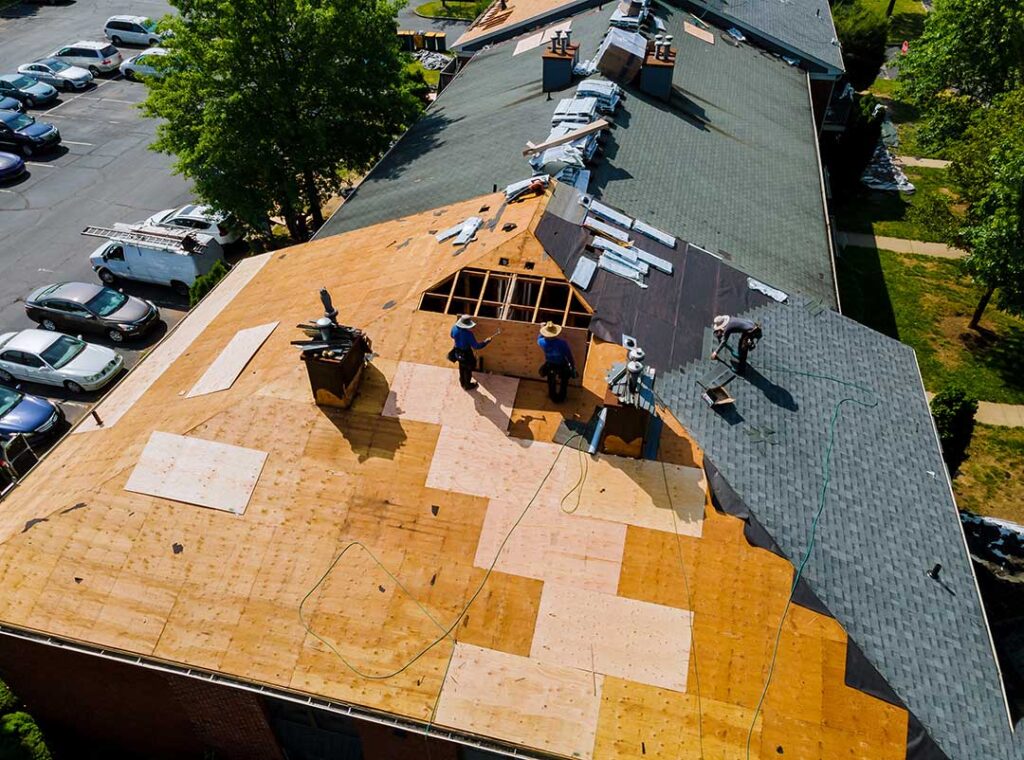
Most roofing projects in Marcy, NY generate debris, but not all materials need to go to the landfill. Asphalt shingles, metal roofing, wood shakes, and even slate can sometimes be recycled, though local options may vary. For typical homes in the area, asphalt shingles are the most common material replaced and disposed of.
- Asphalt shingles: Frequently recycled into road paving materials or used in energy recovery.
- Metal roofing: Easily recyclable as scrap metal.
- Wood shakes/shingles: Sometimes mulched, composted, or processed for energy.
- Slate and tile: Can occasionally be reused or crushed for construction fill.
Residents should separate these materials on-site if possible and keep an eye out for any nails, underlayments, flashing, or packaging that needs different disposal methods.
Where Can Residents Bring Old Roofing Materials for Recycling?
Roofing material recycling is not offered at every transfer station or recycling center, and options in or near Marcy can be limited depending on the year and available programs. Local solid waste authorities generally provide current guidance on whether they accept roofing debris for recycling or direct residents to nearby specialized facilities.
Start by checking the Oneida County Department of Solid Waste for the latest information on:
- Transfer site locations that accept construction and demolition (C&D) waste.
- Accepted materials: Some facilities only take clean, separated shingles rather than mixed debris.
- Associated fees: Roofing materials are generally not accepted for free, but recycling rates are often lower than landfill costs.
Occasionally, regional contractors may coordinate seasonal shingle recycling drives as part of broader construction recycling efforts, especially after major storm events or during peak reroofing seasons.
How Should Residents Prepare Roofing Materials for Drop-Off?
Preparation matters, since recycling centers usually require separation and cleanliness for safe processing.
- Sort shingles by material type and avoid mixing materials if possible.
- Remove flashing, nails, tar paper, and underlayments before transporting if the facility requires it.
- Keep shingles dry: Some locations require them to be free from water, mud, or snow to avoid contaminating other recyclables.
- Package securely: Use heavy-duty bags or covered bins to prevent debris spillage during transport, especially given local weather conditions and road roughness.
If unsure what preparation is needed, local waste facility websites and published recycling guides typically offer step-by-step instructions.
What Happens to Recycled Roofing Materials?
Once recycled, roofing materials can see several second lives:
- Asphalt shingles: Often ground and mixed into hot-mix asphalt for repaving area roads, helping reduce the need for new petroleum-based asphalt. Some shingle material may be processed as industrial feedstock for energy.
- Metal roofing: Goes to scrap metal yards and is melted down for manufacturing new products ranging from cars to construction equipment.
- Wood shingles: May be chipped for mulch or compost, though local composting programs may have restrictions due to possible chemical treatments.
- Slate or tile: Larger slate pieces are sometimes reused for walkways or landscaping; broken materials might be crushed for aggregate.
These uses illustrate how recycling roofing debris supports sustainable material cycles, conserves landfill space, and can even help maintain roads in and around the city.
Are There Special Considerations for Older Roofing?
Yes. Roofing installed before the 1980s may contain hazardous materials such as asbestos or lead. These substances pose health risks if dust is inhaled and must be handled with extreme care.
If there's any suspicion that older shingles, felt, or flashing might contain such hazards, local and state regulations require testing and specialized removal. In these cases:
- Material should never be handled or transported by residents.
- Contact the city or county health department for proper testing and disposal directions.
- Asbestos and lead materials are excluded from standard recycling and must be disposed of at approved hazardous waste facilities.
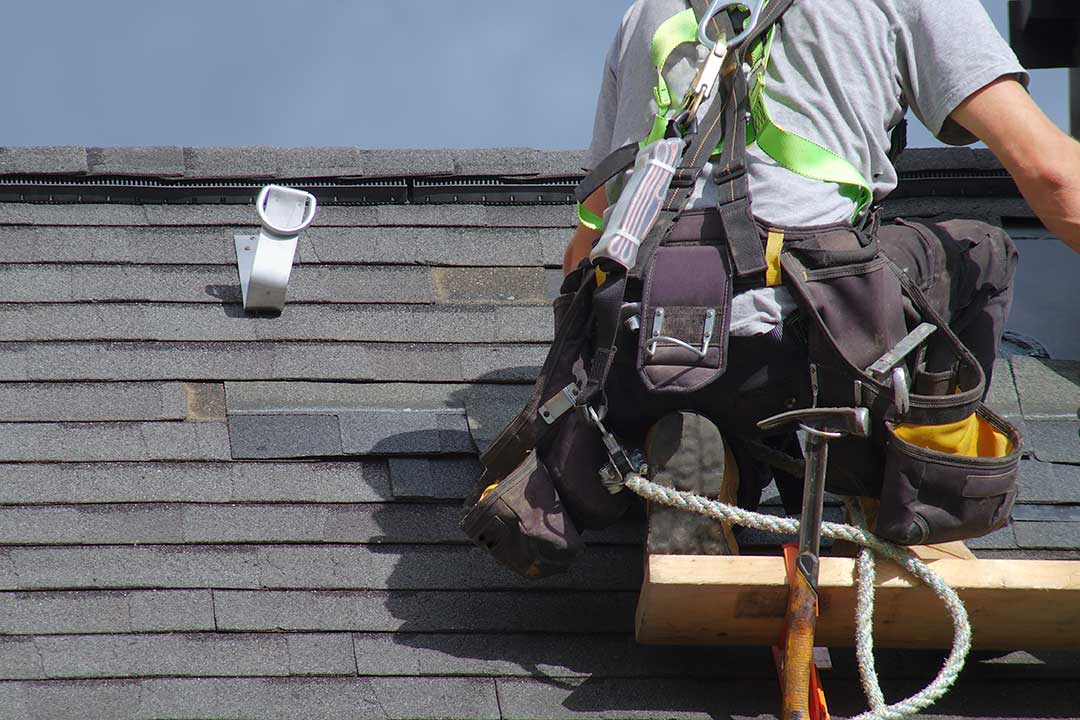
Always review local guidance before disturbing old roofing layers, since fines and penalties may apply for improper disposal of hazardous construction materials.
Can Homeowners Reuse Roofing Materials Locally?
Reusing roofing materials can be an environmentally friendly option if shingles or tiles remain in good condition. In the city’s residential neighborhoods:
- Salvaged slate or clay tiles sometimes find new life as landscaping accents or garden bed borders.
- Metal roofing panels, if undamaged, can occasionally be used for shed roofs or small projects.
- Wood shakes, after proper cleaning, can serve as rustic garden fencing or compost bin walls.
However, reusing asphalt shingles for roofing is not recommended due to weathering, adhesion issues, and loss of waterproofing qualities. Most local building codes require new materials for reroofing.
What Misconceptions or Common Challenges Do Marcy Residents Face?
Some residents are surprised that roofing debris is not part of regular curbside recycling or bulk waste pickup. Construction and demolition materials, including roofing, must be handled separately.
Other misconceptions include:
- Belief that all shingles are recyclable—many must be separated from underlayments or may not be accepted if too contaminated with nails, felt, or tar.
- Expectation that recycling is always free—fees usually apply for shingle drop-off due to specialized handling.
- Thinking metal from roofing can simply go in scrap bins—painted and galvanized metals may have extra preparation requirements.
Staying up to date with current city and county guidelines will help area households avoid fines and maximize the chances their old roofs are recycled responsibly.
What Local Resources Support Roofing Material Recycling?
The community benefits from staying informed through publicly available recycling guides and seasonal bulletins from the Department of Solid Waste. Annual waste collection guides, updated recycling flyers, and online databases often outline the latest drop-off points, acceptable materials, and hours of operation.
When preparing for a roofing project, residents often find it helpful to:
- Review waste handling and recycling sections in the city’s municipal code.
- Contact local waste management authorities for the latest drop-off requirements.
- Check community bulletin boards or social media groups for recycling updates during the busy reroofing season.
Recycling old roofing materials not only conserves local landfill space but also connects residents to important community-wide sustainability efforts.
