
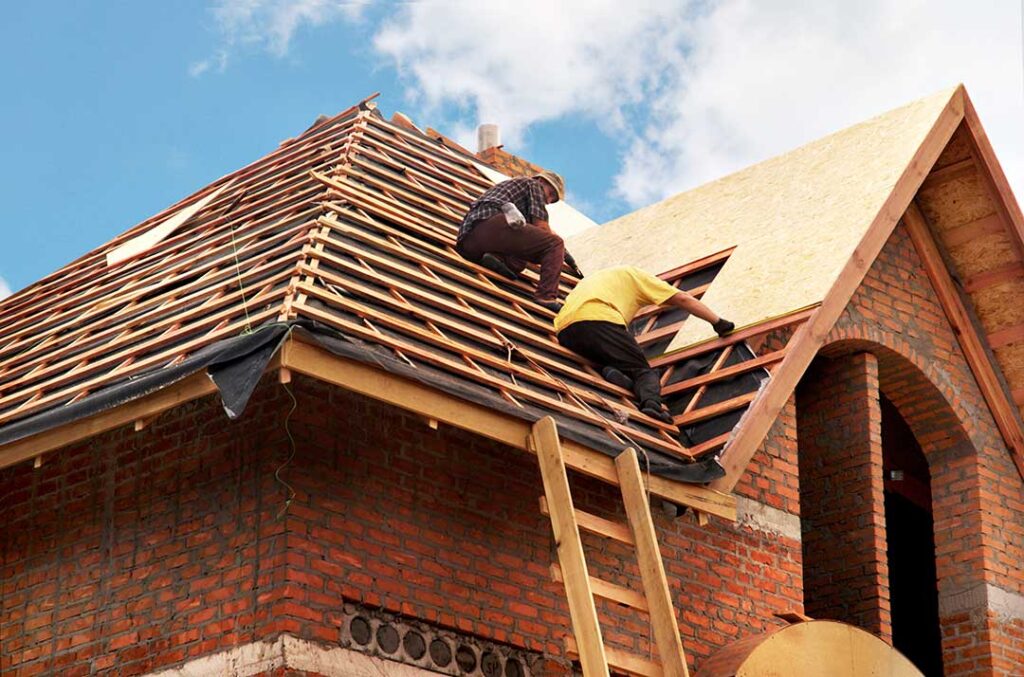
Walking on a roof can cause serious falls, hidden damage, and personal injury if the surface, weather, or access equipment is not suitable. For most residents, the safest approach is to avoid walking on the roof unless there is a clear need and the work can be completed with proper fall protection.
Is it safe for homeowners to walk on a roof?
A roof may look stable from the ground but still be unsafe underfoot. Roofing materials can become slippery, brittle, loose, or structurally weak, especially near edges, valleys, skylights, vents, and areas affected by water damage.
Before considering access, ask:
- Is the roof dry, clean, and free of frost, snow, ice, or algae?
- Is the slope low enough to stand and walk without sliding?
- Are there visible soft spots, sagging areas, missing shingles, or exposed decking?
- Can a properly secured ladder reach the roof without leaning on gutters?
- Is there a safe way to protect against a fall?
If the answer to any of these questions is uncertain, staying on the ground is the safer choice. A roof inspection can often begin from the attic, upper windows, ground, or a nearby ladder without stepping onto the roofing surface.
What conditions make a roof especially dangerous?
Wet, icy, snowy, or windy conditions greatly increase the risk of slipping or losing balance. In Marcy, NY, seasonal weather can create additional hazards from winter precipitation, freeze-thaw cycles, and damp spring or autumn surfaces.
Do not walk on a roof during or immediately after:
- Rain, snow, freezing rain, or frost
- Strong or gusty winds
- Rapid temperature changes that may create hidden ice
- Extreme heat, which can soften some roofing materials
- Heavy dew or overnight condensation
- Severe weather or an approaching storm
Snow should not be treated as a protective cushion. It can hide weak decking, skylights, ice, roof edges, and accumulated debris. Snow-covered roofs are particularly hazardous because the actual surface and slope are difficult to judge.
How should a ladder be placed before roof access?
A ladder must stand on firm, level ground and extend above the roof edge far enough to provide a stable handhold when stepping off or returning. It should never rest against a gutter, downspout, loose trim, or unstable surface.
Before climbing:
- Inspect the ladder for bent rails, damaged rungs, and worn feet.
- Keep the base clear of mud, ice, snow, toys, tools, and vehicles.
- Set the ladder according to the manufacturer’s angle guidance.
- Secure the top and bottom whenever possible.
- Have another person stabilize the ladder during setup and use.
- Maintain three points of contact while climbing.
A ladder is only an access tool; it does not prevent a fall after reaching the roof. Avoid carrying tools in both hands. Use a tool belt, hoist line, or another method that leaves both hands available for climbing.
What is the safest way to move across shingles?
If roof access is unavoidable, move slowly and keep your weight balanced over your feet. Walk only on sound, visible areas, and avoid stepping on roof edges, ridges, valleys, flashing, skylights, and penetrations.
For asphalt shingles:
- Step near the lower part of the shingle where it overlaps the course below.
- Use the natural walking paths created by the roof framing when they are visible or known.
- Place each foot carefully instead of taking long strides.
- Avoid twisting, jumping, or turning quickly.
- Keep your body facing the slope rather than walking sideways whenever possible.
- Do not drag ladders, buckets, or sharp tools across the surface.
Shingles can crack or lose protective granules under foot traffic, especially when they are cold and brittle or hot and soft. A damaged shingle may not show a problem immediately, but the damage can shorten its service life or create a path for water.
Which roof areas should never be stepped on?
Some roof features are unsafe even when the surrounding shingles appear solid. Skylights are a major fall hazard because older units may not support a person’s weight, and snow or dirt can make them difficult to see.
Avoid stepping on:
- Skylights and translucent roof panels
- Areas that sag, feel soft, or appear darker than surrounding materials
- Loose or curled shingles
- Roof valleys with accumulated debris
- Metal flashing around chimneys, walls, and vents
- Gutters and downspouts
- Roof edges and overhangs
- Solar equipment, wiring, or mounted fixtures
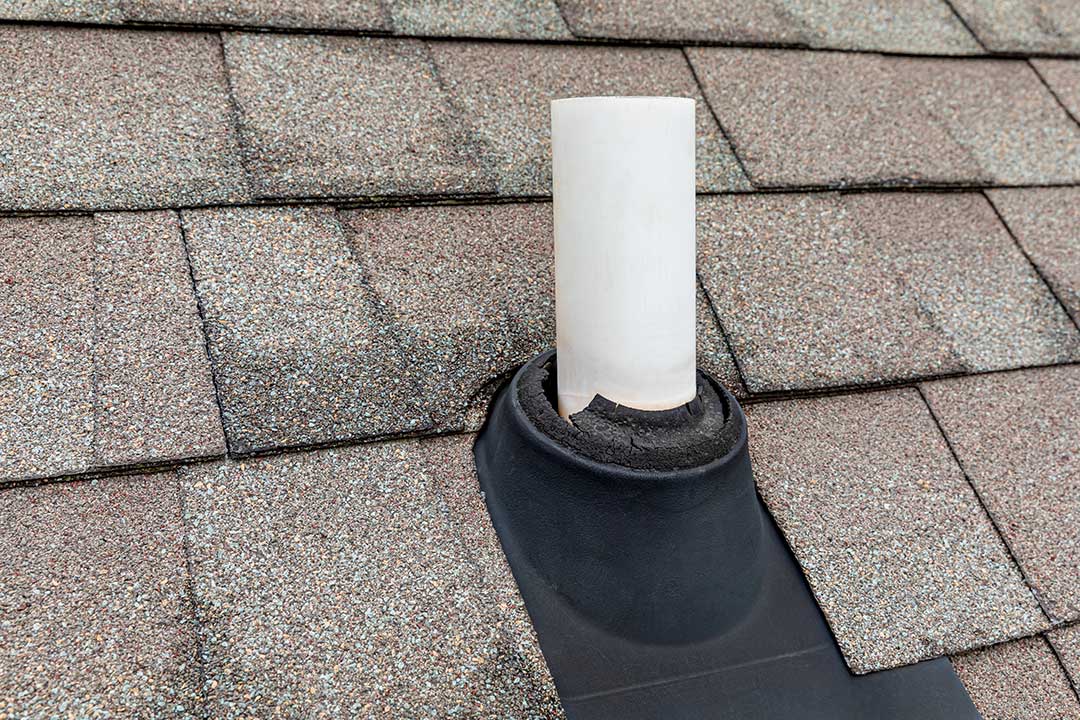
- Brittle plastic vents or damaged pipe boots
A roof can also contain concealed hazards. Rotting decking may support light pressure but fail under a concentrated step. If a foot breaks through, the resulting injury can include cuts from nails, falls into an attic, or a fall from the roof itself.
Is it safe to walk on a steep roof?
Steep roofs should not be treated as ordinary walking surfaces. Even experienced people can lose footing quickly, and a short slide can carry someone over the edge before they can recover.
Steep-slope work generally requires purpose-built equipment such as roof brackets, planks, anchors, harnesses, lifelines, and properly installed fall-protection systems. Improvised methods, including tying a rope around a chimney or using a household belt, do not provide reliable protection.
If a roof cannot be reached and crossed while keeping secure footing and effective fall protection, do not attempt the task. Safety equipment must also be selected, installed, and used correctly; equipment that is attached to weak roofing materials may fail during a fall.
How can roof damage be checked without walking on the roof?
Many routine observations can be made safely from the ground. Binoculars or a camera with a zoom lens may help identify missing shingles, exposed underlayment, damaged flashing, clogged valleys, or sagging areas.
Other inspection points include:
- Attic rafters and roof decking
- Ceilings below roof penetrations
- Exterior walls near rooflines
- Gutters and downspouts
- Areas where daylight enters the attic
- Damp insulation, staining, or musty odors
- Shingle granules collecting near downspout outlets
Ground-level inspection cannot reveal every problem, but it often identifies whether roof access is necessary. Interior evidence of leaking or structural damage warrants extra caution because the roof surface above may be weaker than it appears.
What should be done after a fall or roof accident?
A fall from even a low roof can cause head, neck, back, or internal injuries. Do not assume that standing up means the injury is minor. Avoid moving someone who may have a spinal injury unless there is an immediate danger, such as fire or collapse.
Call emergency services for severe pain, loss of consciousness, confusion, difficulty breathing, heavy bleeding, suspected fractures, or inability to move normally. After an accident, keep others away from the roof and ladder until the area is assessed.
The safest roof habit is knowing when not to climb. Routine tasks such as checking shingles, clearing light debris, or examining a suspected leak can often begin from safer locations, while steep slopes, winter conditions, structural concerns, and fall-protection needs call for specialized safety procedures rather than improvisation.
