
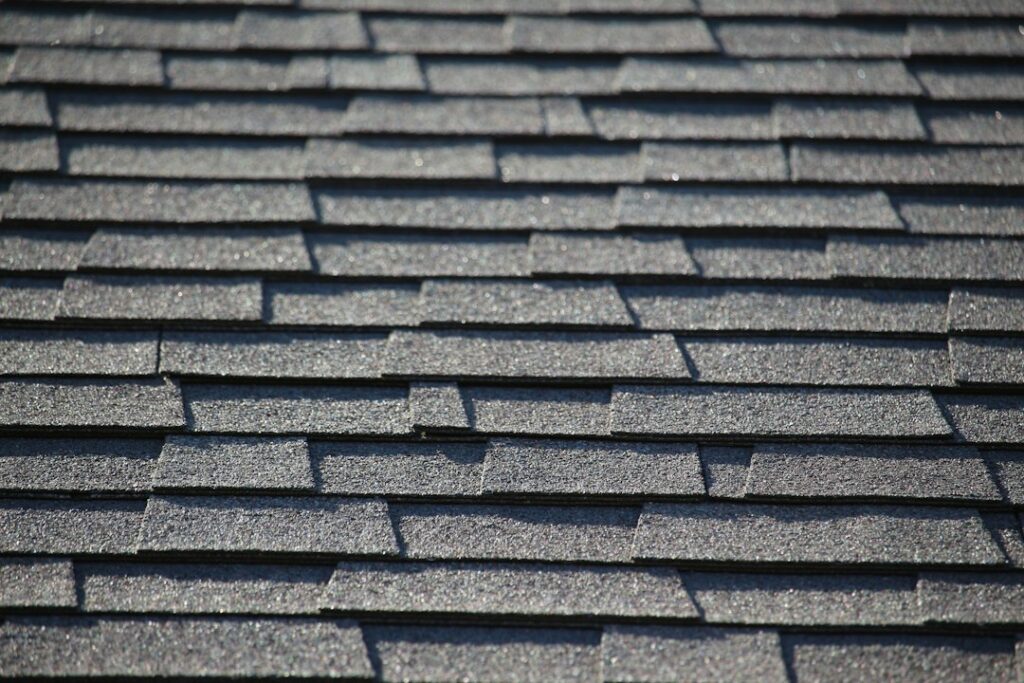
What does it mean to match replacement shingles?
Matching replacement shingles means finding new roofing material that is compatible with the existing roof and visually similar enough to blend into the surrounding area. A close match involves more than choosing the same general color. The shingle type, profile, dimensions, exposure, surface texture, and installation method also matter.
A replacement shingle may look similar in a small sample but appear noticeably different once installed across a roof slope. Asphalt shingles also change gradually because of sunlight, moisture, temperature swings, algae growth, dirt, and normal weathering. That is why an exact visual match is not always possible, especially on an older roof.
For households in Marcy, seasonal snow, freeze-thaw cycles, wind, and summer sunlight can all affect how quickly roofing materials age and how closely new shingles blend with existing ones.
How can the existing shingle be identified?
The most reliable starting point is to identify the original product rather than guessing from color alone. Look for information in several places:
- Spare bundles left from the original installation
- Roofing invoices, warranties, or inspection records
- Labels on attic-stock materials
- The shingle’s profile and visible dimensions
- Manufacturer markings on the underside, if an accessible piece is removed
- The number of layers and approximate installation date
A roof may use three-tab shingles, architectural shingles, premium laminated shingles, wood shingles, cedar shakes, slate, or another material. These products are not interchangeable simply because their colors appear similar.
For asphalt shingles, compare the shape of the tabs, the width of the exposed portion, the thickness of the shingle, and the pattern of darker and lighter granules. Architectural shingles often have a dimensional surface with irregular shadow lines, while three-tab shingles have a more uniform, repeated pattern.
Why is color alone not enough?
Roofing colors are usually made from a blend of granules rather than a single solid pigment. Two shingles labeled “gray,” “brown,” or “black” may have very different mixtures and may reflect light differently.
Color can also look different depending on:
- Bright sun versus overcast conditions
- The roof’s slope and viewing angle
- Whether the sample is wet or dry
- Dirt, moss, or algae on the existing roof
- Fading and granule loss
- Shadows from nearby trees or roof features
- The size of the area being repaired
A small hand-held sample is useful, but it should be viewed beside the existing roof and from the ground at several distances. A color that looks close on a workbench may stand out when placed in a broad, uninterrupted roof field.
The best comparison usually uses several loose shingles or a larger sample viewed outdoors. Checking in both direct sunlight and shade can reveal differences that indoor lighting hides.
Should new shingles be installed if the original product is discontinued?
Not necessarily, but the replacement process becomes more of a blending exercise. Manufacturers regularly discontinue colors, profiles, and product lines. A newer shingle may be the closest available match without being identical.
When the original product is unavailable, compare the following in order:
1. Roofing material type
2. Shingle profile and thickness
3. Exposure and dimensions
4. Color family and granule pattern
5. Surface texture and shadow lines
6. Wind, fire, and installation ratings
A shingle from the same manufacturer may still be unsuitable if its dimensions or profile differ. Conversely, a different manufacturer may offer a closer physical match, but compatibility and installation requirements must be checked carefully.
For a small repair, the replacement may be placed where it is less visually prominent, such as near a roof edge or behind a dormer. This does not make the mismatch disappear, but it can reduce its appearance from normal viewing areas.
Can shingles from different production batches be different?
Yes. Slight variation can occur between production runs, manufacturing plants, or batches. Even products with the same name and color may not blend perfectly if they were made years apart.
For that reason, any leftover shingles should be stored in a dry, protected location. Keeping a bundle from the original installation can be more useful than relying on a product label years later. The bundle label may identify the product name, color, manufacturing information, and sometimes the approximate production period.
If several repairs are expected, using material from the same batch for all of them can provide a more consistent appearance than purchasing small quantities at different times.
How does weathering affect the match?
Weathering is one of the main reasons a new shingle can look brighter, darker, or more saturated than an older one. Existing asphalt shingles may have faded, lost some surface granules, or accumulated a thin layer of airborne soil.
New shingles generally retain a sharper surface appearance. Over time, sunlight and weather will reduce some of the contrast, but asphalt shingles should not be expected to become an exact visual match after a few weeks.
Cedar shingles and shakes behave differently. New cedar can gradually weather toward the surrounding roof’s gray tone, although the time required varies with exposure, moisture, shade, and season. A shaded slope may weather differently from a south-facing slope.
Do not attempt to artificially age asphalt shingles with paint, stains, solvents, or cleaning chemicals. Such treatments can damage the shingle surface, interfere with the granule layer, or create a color that changes unevenly.

When is spot replacement practical?
Spot replacement is most practical when the damage is limited and the surrounding roof is still serviceable. Missing shingles, isolated wind damage, and a small number of cracked or lifted shingles may sometimes be addressed without replacing the entire roof covering.
A larger repair may be less satisfactory when:
- The roof has widespread granule loss
- Shingles are brittle and break during removal
- Numerous areas have curling, blistering, or cracking
- The original product cannot be identified
- The roof has several visible color zones from past repairs
- Water has reached the roof deck or interior framing
Removing neighboring shingles can damage old, brittle materials. A roof that appears to need only a few replacements may therefore require a broader repair area to create a durable result.
Do replacement shingles need to meet current requirements?
They do. In New York, roof repairs and replacement work must follow the applicable residential code and the shingle manufacturer’s installation instructions. Requirements can involve underlayment, fastening, slope, flashing, ventilation, wind resistance, and the condition of the roof deck.
Matching appearance does not override these requirements. A visually close shingle may still be unsuitable if it cannot be installed correctly on the existing roof assembly.
The roof slope also matters. Asphalt shingles have minimum slope requirements, and lower-slope areas may require additional underlayment or different detailing. Valleys, eaves, wall intersections, vents, and roof edges need particular attention because they handle concentrated water and snowmelt.
What information should be recorded before buying matching material?
Photographs and measurements can prevent guesswork. Record:
- The roof material and shingle style
- Approximate age of the roof
- Color from several viewing angles
- Shingle width, length, and exposure
- The condition of surrounding shingles
- Any bundle labels or product records
- Locations of damaged areas
- Whether the roof has one or more existing layers
A clear photograph of the entire roof is more useful than a close-up alone because it shows how the color appears across different slopes. Close-up photographs can then show the granule pattern, profile, and edge shape.
For homes in the area, it is also sensible to inspect after winter before ordering materials. Snow and ice can expose loose shingles, damaged flashing, and granule loss that may not be visible during warmer months. Matching the replacement material is only part of the repair; the cause of the damage should also be understood so the new shingle is not placed over an unresolved leak or drainage problem.
