
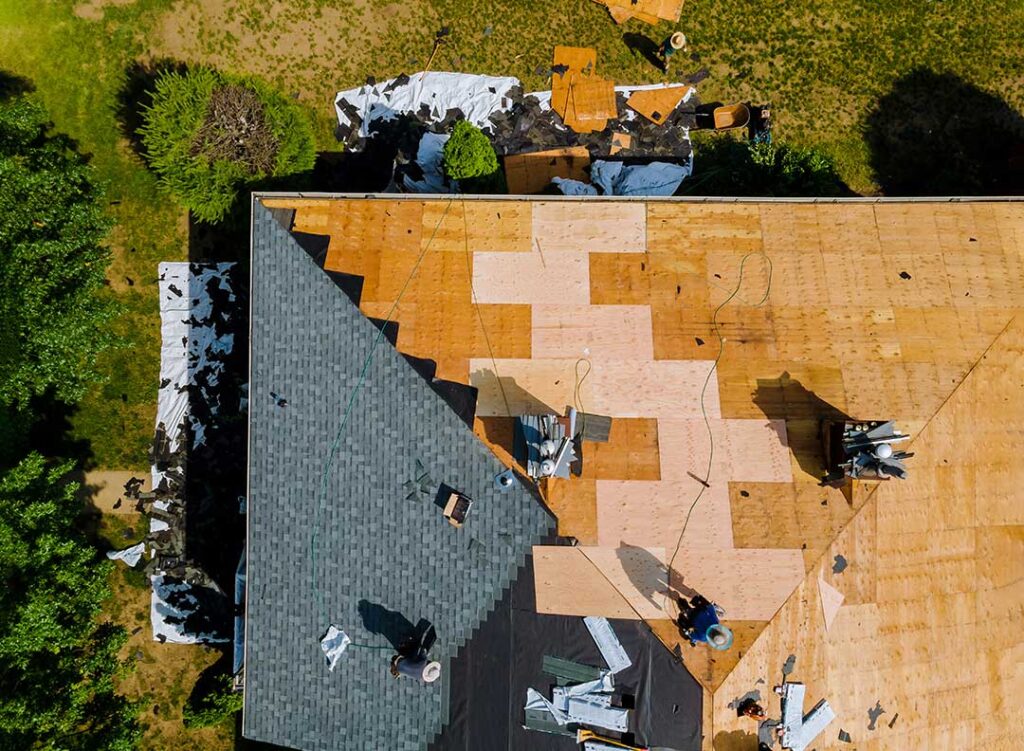
A new roof can affect a home’s value in several ways, but the benefit is not always equal to the project’s full cost. In Marcy, NY, where roofs must withstand snow, ice, wind, rain, and repeated freeze-thaw cycles, roof condition can influence buyer confidence, inspection results, insurance decisions, and the amount of work a property appears to need.
A roof is one of the most visible parts of a house, but its value impact is often indirect. Buyers may not pay dollar-for-dollar for a replacement roof, yet they may be more willing to make an offer, accept a higher price, or move forward without demanding major concessions when the roof is in dependable condition.
Does a new roof increase a home’s value?
Usually, a new roof improves marketability and can support a higher sale price, but it does not guarantee a full return on the installation cost. The financial effect depends on the roof’s age, the home’s overall condition, local buyer expectations, and whether the previous roof showed visible deterioration.
A replacement roof tends to provide the greatest value when:
- The existing roof is near the end of its expected service life
- Shingles are curled, missing, cracked, or visibly worn
- There are signs of leaks, staining, or moisture damage
- A home inspection is likely to identify roofing concerns
- Buyers in the area expect a move-in-ready property
- The replacement is completed properly and documented
A new roof may have a smaller effect when the existing roof is still relatively young, functional, and visually consistent with the rest of the home. Replacing a serviceable roof solely to increase resale value may not produce the same financial benefit as correcting other visible problems, such as neglected exterior maintenance or water damage.
Why does roof condition matter so much to buyers?
Roof repairs can be disruptive and difficult to budget. Buyers often view a failing roof as a risk that may involve more than shingles. Possible related concerns include damaged underlayment, deteriorated decking, attic moisture, mold-like growth caused by damp conditions, or interior ceiling repairs.
A roof that appears near the end of its life can also affect negotiations. A buyer may:
- Offer less to account for expected replacement costs
- Request a credit or price reduction
- Ask for repairs before closing
- Have difficulty obtaining acceptable insurance coverage
- Decide not to proceed with the purchase
A newer roof reduces uncertainty. Even if the buyer does not consider roofing the most attractive home improvement, confidence that the roof is likely to perform through several more winters has practical value.
How does a roof affect a home inspection?
A roof inspection generally considers visible age and condition, the state of shingles or other covering materials, flashing, drainage, penetrations, ventilation, and signs of water entry. Inspectors typically cannot determine every hidden defect without removing materials, but visible problems can still affect the inspection report.
For homes in the area, winter conditions make certain observations especially relevant. Ice buildup, heavy snow, wind-driven rain, and freeze-thaw movement can expose weaknesses around:
- Valleys where roof sections meet
- Chimneys, vents, and other roof openings
- Eaves and edges
- Flashing near walls
- Areas with poor drainage or recurring ice accumulation
A new roof does not automatically produce a clean inspection. Poor installation, inadequate ventilation, exposed fasteners, improper flashing, or unresolved structural problems may still be reported. Installation quality matters as much as appearance.
Is a new roof more valuable than a roof repair?
The answer depends on the roof’s remaining service life and the scope of the problem. A targeted repair may be more financially sensible when damage is isolated and the surrounding roofing is in good condition. Replacement may make more sense when problems are widespread or the roof has become difficult to maintain.
A repair is often reasonable when:
- Damage is limited to a small area
- The existing materials are otherwise in sound condition
- There is no evidence of widespread moisture damage
- The roof has substantial useful life remaining
Replacement deserves closer consideration when:
- Leaks occur in multiple locations
- Shingles are broadly brittle or deteriorated
- Past repairs have become frequent
- The roof covering is near the end of its expected life
- Underlying decking or structural components are affected
A patchwork roof can create a poor impression during a sale, especially if repairs are visibly mismatched or recurring. However, replacing a roof that only needs a minor repair may not provide enough added value to justify the cost.
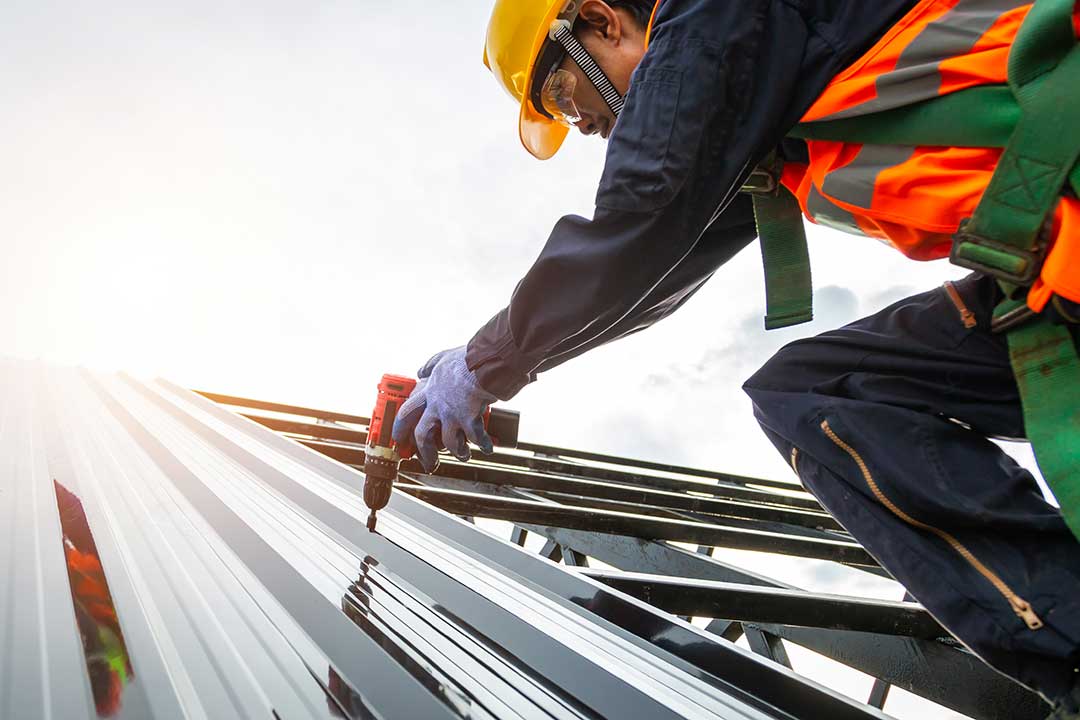
Does roof appearance influence value?
Yes. Buyers commonly form an opinion about a home before reviewing technical details, and the roof contributes to the property’s overall exterior appearance. Missing shingles, dark streaks, uneven surfaces, sagging areas, and worn edges can make a house look neglected even when interior rooms are well maintained.
A visually consistent roof can improve curb appeal by giving the home a cleaner, more cared-for appearance. The effect is usually strongest when the roof is seen together with other exterior features, including siding, trim, gutters, drainage, windows, and landscaping.
A new roof should not be chosen only for color or style. The appearance should suit the home’s design and neighborhood character, while the materials should be appropriate for the roof’s slope, drainage pattern, ventilation, and exposure to local weather.
What records should homeowners keep?
Documentation can help demonstrate that a roof replacement was properly planned and completed. Useful records include:
- The approximate installation date
- Material information and maintenance instructions
- Permits or approvals, when applicable
- Invoices and payment records
- Photos taken before and after the work
- Details about repairs to decking, flashing, ventilation, or drainage
- Transferable manufacturer or workmanship documents, if provided
Records do not replace a sound roof, but they can answer practical questions during a future sale. Without documentation, buyers may have difficulty determining how old the roof is or what work was actually completed.
Can a new roof lower insurance costs?
Possibly, but there is no universal result. Insurance decisions depend on the property, policy terms, roof materials, roof age, installation quality, claim history, and the insurer’s underwriting rules. Some policies may treat newer roofing more favorably than older roofing, while others may have specific limitations related to roof age or wind and weather damage.
Homeowners should not assume that a replacement automatically reduces premiums. The insurer may require proof of installation, material details, photographs, or an inspection before updating its records.
What should homeowners consider before replacing a roof for resale?
The strongest resale decision is usually based on condition rather than age alone. A roof does not need to be replaced simply because a home may be sold, especially if it is performing well and has a reasonable remaining service life.
Before making the decision, consider:
- Whether active leaks or moisture concerns exist
- How much useful life remains
- Whether repairs have become frequent
- How the roof looks from the ground
- Whether the attic shows signs of poor ventilation or dampness
- Whether other exterior or interior improvements would provide greater benefit
- Whether the replacement can be completed and documented before listing
For a home that needs a roof, delaying the work may create greater uncertainty than completing it. For a home with a sound roof, routine maintenance, clear records, and honest disclosure may be more financially sensible than replacement.
A new roof is therefore best understood as a risk-reduction improvement. It can protect the structure, improve appearance, simplify inspection discussions, and make ownership costs easier for a future buyer to anticipate. In a climate with demanding seasonal weather, those practical benefits can influence value even when the project does not return its full cost in the sale price.
