

What Is Roof Decking and Why Does It Matter in Marcy, NY?
Roof decking, often called sheathing, is the layer of wood or board that lies between your attic insulation and the shingles or roofing material. In homes throughout Marcy, NY, this layer plays a significant role in supporting the roof structure, holding roofing nails in place, and helping to keep out moisture and weather. Since neighborhoods in the city experience a mix of cold winters, snow accumulation, and periodic summer storms, any problem with the decking can lead to broad roof issues or interior damage.
When roof decking is neglected, small problems—such as leaks or isolated rot—can develop into widespread structural issues. Many residents only learn about decking problems after noticing clear signs like leaks or sagging ceilings, but it’s possible to detect early warnings if you know what to look for.
What Are the Most Noticeable Signs Your Roof Decking Needs Attention?
The most noticeable warning signs are usually physical and visible from inside your home or attic. Recognizing these early can help prevent more costly repairs:
- Sagging or uneven roof lines: An easy check from the yard or street can sometimes reveal dips or distortions in the roof surface, especially after heavy snow loads common in local winters.
- Stains or water marks on ceilings or attic joists: When decking absorbs moisture, it often leads to discoloration before water ever reaches your living space.
- A musty or moldy smell in the attic: Persistent moisture and lack of ventilation allow mildew and fungi to grow, both of which thrive if the decking is compromised.
If you notice one or more of these symptoms, it isn’t always an isolated roof leak; the underlying decking may be decaying, warped, or beginning to fail.
Can You See Decking Problems Without Removing Shingles?
Some indicators require a closer look from the attic. Local homeowners can often catch trouble spots early by inspecting these areas directly:
- Visible mold or black spots on the underside of the roof: Mold often appears where humid air meets cool decking, especially if insulation or ventilation is lacking among older housing stock in the city.
- Areas that feel soft or spongy when gently pressed: If you safely access your attic, pressing on suspect spots—lightly, with a tool—can reveal weakened wood.
- Gaps, cracks, or evidence of wood delamination: In plywood or OSB decking, you might notice sheets pulling apart or showing layers separating.
It’s common to mistake attic condensation or frost for minor leaks, but repeated occurrences of these often point to hidden decking moisture. In Marcy, where dramatic temperature swings occur, condensation may freeze and then thaw, worsening decomposition.
How Does Weather in Marcy Affect Roof Decking Health?
Frequent freeze-thaw cycles, heavy snow accumulation, and rainstorms all influence roof decking conditions in Marcy. Ice damming, which happens when snow melts and refreezes at the eaves, can push water through shingles and onto the decking.
Other locally relevant problems include:
- Prolonged ice coverage: Snow sitting for weeks compresses insulation and exposes roof decking to persistent moisture.
- Wind-driven rain: Directional storms, sometimes seen in severe summer weather, may drive water up beneath shingles along roof edges.
Area homes with shallow attic ventilation may trap humid air, combining with frigid exteriors to stress roof decking, making it especially vulnerable to rot and mold over time.
Are Small Roof Leaks Always a Sign of Decking Problems?
While not every small leak signals damaged decking, chronic leaks—especially those appearing seasonally—typically cause decking damage eventually. In aging homes around Marcy, seasonal freeze cycles mean any water penetration can linger and deteriorate sheathing slowly.
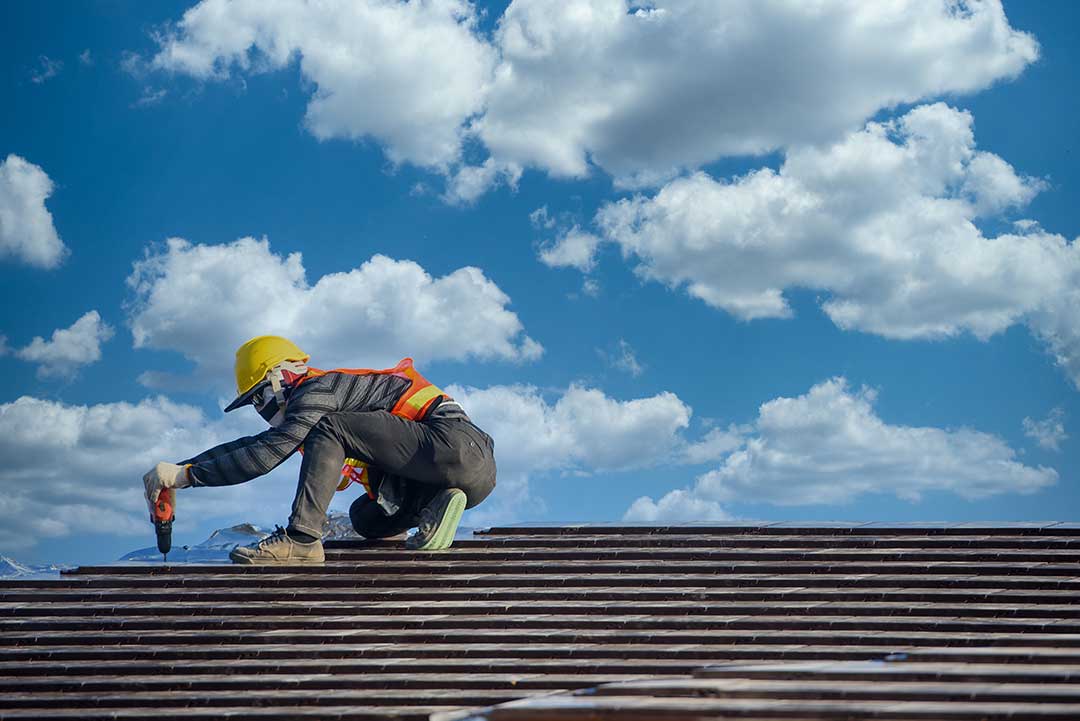
Sometimes, leaks originate from flashing or minor shingle problems and don’t immediately affect the decking. Still, if stains or damp insulation persist beyond a single weather event, it’s worth investigating the condition of the wood beneath your roof coverings.
Is It Possible to Miss Decking Issues During Routine Roof Checks?
Routine checks from the ground or simple shingle inspections may overlook decking problems. Even if the roof’s exterior appears solid, layers beneath can harbor hidden rot, especially in valleys, near eaves, or around attic vents.
Homeowners sometimes assume a new roof eliminates past problems, but if the decking wasn’t thoroughly checked and repaired during the last shingle replacement, trapped moisture may continue to eat away at structural wood.
Checking your attic for the following can reveal what a surface check misses:
- Signs of daylight through the decking
- Persistent dampness or insulation that never fully dries
- Loose roofing nails or nail pops, which may signal decaying sheathing underneath
What Are Common Misconceptions About Roof Decking Problems?
It’s widely—but incorrectly—believed that only old roofs have decking problems. Local homes built just a few decades ago can experience rot or delamination due to missed venting upgrades, severe ice damming after a tough winter, or even improper installation.
Another misconception is that shingle replacement always includes replacement or repair of bad decking. In reality, unless there’s a visible structural problem during removal, some issues can be missed. If you’ve replaced a roof without addressing persistent leaks or attic condensation, the underlying wood may still need attention.
What Steps Should Marcy Residents Take If They Suspect Decking Damage?
If you spot any of the signs listed—especially sagging, musty attic smells, black mold, or persistent leaks—it’s best to limit traffic in affected attic areas and avoid disturbing insulation. While some attic checks can be done with a flashlight and visual inspection, wood that’s wet, soft, or moldy poses safety risks and may not support weight.
For local households where the building code or insurance requires a certified report (usually after storm or fire damage), contacting municipal inspectors or public safety agencies may be necessary. Otherwise, look for recurring symptoms as described and minimize exposure to mold if discovered.
Responding to early signs of trouble not only helps avoid costly structural work, but also protects the health and comfort of area residents—especially during cold, wet months when roof failures can quickly escalate into larger issues.
