
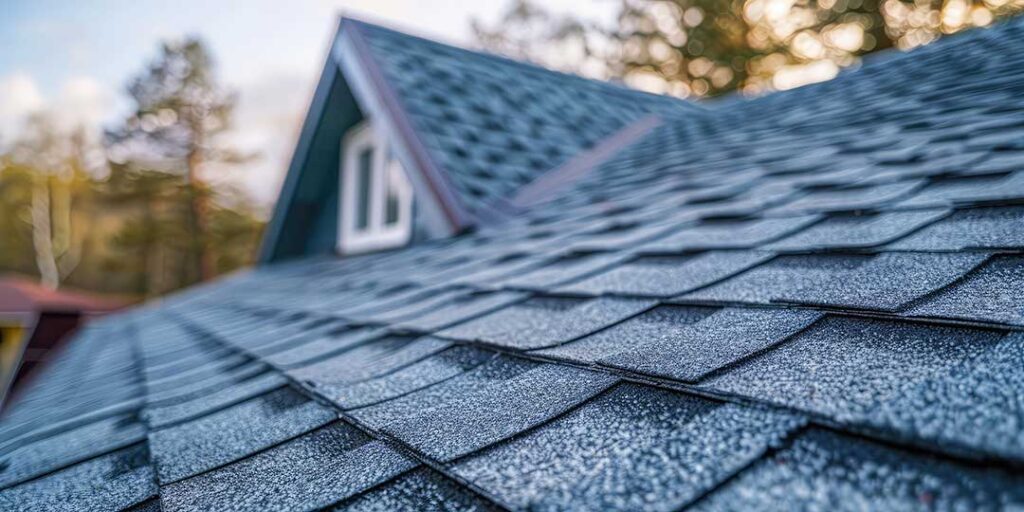
How Do Roof Shapes Impact a Home’s Look and Character in Marcy, NY?
Roof shapes are a key part of how a house looks and fits into its surroundings. In Marcy, NY, the choice between peaked gables, flattish sheds, and hip roofs isn’t just about current style—it often reflects local history, climate adaptation, and personal preference. Tall, pitched roofs commonly seen in the area help houses stand out against winter landscapes and often connect to regional architectural traditions. Flatter and simpler rooflines offer a more modern, understated appeal.
The visual profile of a roof can change how large or inviting a house seems from the street. Steeper roofs create a sense of height and can make modest-sized homes appear more substantial. Meanwhile, low-pitched or flat roofs may give homes a sleeker, more contemporary silhouette, blending more readily into newer neighborhoods or wooded lots.
Which Roof Shapes Work Best for Marcy, NY’s Climate?
For those living in Marcy, snow and rain are constant considerations. Roof pitch (slope) strongly influences how well a home handles precipitation. Steeply pitched roofs, like those found in classic gable or A-frame designs, allow snow to slide off more easily, lowering the risk of heavy build-up and ice dams. This is a practical reason why older homes in the region often have sharply angled roofs.
Hip roofs—where all sides gently slope down to the walls—are also popular locally. These are less vulnerable to wind-driven storm damage, which occasionally affects the area, and they do a good job shedding water and snow.
Flat and low-sloped roofs require vigilant maintenance in Marcy’s wet seasons, as pooling or slow-draining water is more likely in these conditions. While they are a hallmark of some mid-century and modern styles, extra attention to waterproofing and drainage is essential.
How Do Roof Shapes Affect Attic Space and Ceiling Height?
The shape of a roof determines how much usable attic or upper-level space is available within a home. In Marcy, where many households value storage or finished attic rooms, roof choice can have a direct impact on interior function.
- Gable and mansard roofs create spacious attics with room for insulation, storage, or even additional bedrooms.
- Hip roofs usually provide less attic height but may make up for it with increased stability and curb appeal.
- Flat roofs typically offer no attic, sometimes leading to lower ceiling heights unless compensated for elsewhere in the home’s structure.
Residents planning renovations or home additions often weigh these factors when deciding whether changing their existing roof design is worthwhile.
What Roof Shapes Are Common in the Area and Why?
Driving through Marcy, classic gable roofs dominate, with hip roofs also seen, especially in post-1950s builds. This pattern reflects a mix of practicality and tradition:
- High-pitched gables suit the region’s winters and echo the rural character of many parts of the community.
- Hipped roofs show up often in subdivisions with mid-century or newer homes, chosen for their wind resistance and neater profile.
- Gambrel roofs appear occasionally on older farmhouses and barns—these provide extra loft headroom and have historical ties to agricultural life in the area.
- More modern or custom homes sometimes feature flat or shed-style roofs, especially in wooded lots where unique aesthetics set them apart.
Local building codes also influence roof choices, particularly for new construction. Snow load requirements and minimum pitch standards factor heavily into approved designs.
Can Changing the Roof Shape Alter Energy Efficiency?
The angle and shape of a roof can improve or hinder a home’s energy performance. In Marcy, NY, where winter heating is a major concern, roof design plays a practical role:
- Steeper roofs better accommodate thick attic insulation and ventilation, which helps regulate temperatures and prevents ice damming.
- Low-pitch or flat roofs can be harder to insulate properly, making them more prone to heat loss in the winter.
- Complex shapes—like those with lots of valleys or dormers—may create additional places for air leaks if not carefully constructed.
Residents sometimes overlook how attic venting, insulation, and roof layout interact. For any major roofing changes, re-evaluating insulation strategies is as important as the visual appeal.
Are There Hidden Drawbacks to Certain Roof Designs in This Community?
Some roof designs require more upkeep or come with unforeseen challenges, especially given Marcy’s climate. For example:
- Flat and low-slope roofs can develop leaks if drainage systems clog or flashing deteriorates.
- Complex multi-level roofs—those with multiple peaks, valleys, or dormers—collect more snow and debris, sometimes making seasonal maintenance trickier.
- Unusual or trendy roof shapes may look appealing but aren’t always suited to local weather patterns or materials, sometimes resulting in unexpected repair costs.
Local residents often find that designs with proven track records in similar conditions minimize hassle and expense over time.
What Should Homeowners Know Before Changing Their Roof Shape?
Modifying a home’s roofline is not a casual project. For residents in Marcy, changes may need to account for:
- Local building codes focused on snow load, minimum pitch, and fire safety
- How the new roof shape will look compared to neighboring homes and the larger community
- Whether structural reinforcements are necessary to support a different design, especially for steeply pitched or very flat roofs
- The impact of the new shape on attic storage, natural light (from dormers or skylights), and future maintenance needs
Homeowners weighing such changes usually begin with a close review of their needs, local weather, and the available options, balancing appearance and function with practicality for the area.
